Skip to content

LivestockBeef cattle

Beef cattle: pasture walks and pen checks

Most beef visits are a pasture walk on a cow-calf or stocker operation or a pen check in a feedyard, and PropelMapper pins each reading from either one to the pasture or pen where you took it.

Pasture walk - North summer pasture with its saved structured readings.
Example account: Bluestem Range Consulting.

Beef cattle note and report

Pasture walk - North summer pastureOct 28, 2026

“Scored 40 cows at the corral: average body condition 5.5, the first-calf heifers thinner at 4.5.”

Example account: Bluestem Range Consulting

Visual example; transcript only.

Visit recordSaved with this visit
  • Pasture North summer pasture
  • Forage height (in) 4.8
  • Water tank level (%) 87
  • Pasture condition (1-5) 3
  • Next step Move the pairs off the north summer pasture by the 1st

Bluestem Range Consulting

Pasture walk - North summer pasture

Hackberry Ranch › North summer pasture

Visit Oct 28, 2026 Version 1 · English
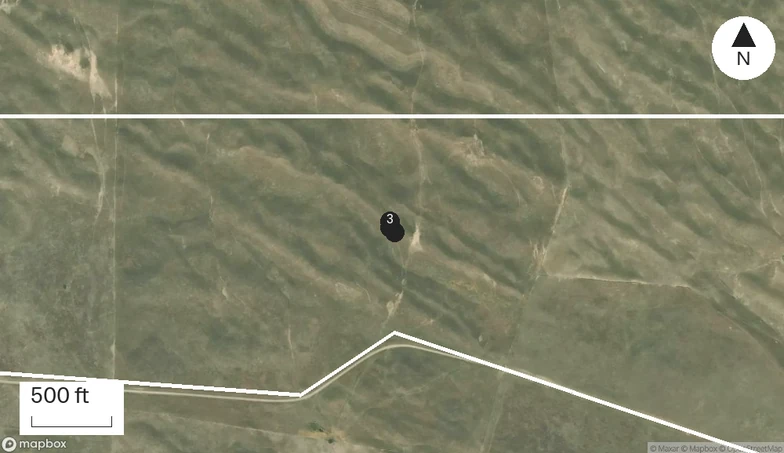
North summer pasture: captured report map with numbered observation pins and the saved boundary.
Numbered pins: visit captures · Dashed line: walked path · Basemap: Mapbox satellite. Imagery date not stated.

At a glance

  1. Scored 40 cows at the corral: average body condition 5.5, the first-calf heifers thinner at 4.5.

  2. Pivot 2 stalks have plenty of dropped ears, about 6 bushels an acre on a quick count.

  3. Weaned 212 calves Tuesday, fenceline weaning.

Readings

Readings: Pasture walk - North summer pasture
ReadingThis visit
Forage height (in)4.8
Water tank level (%)87
Pasture condition (1-5)3

Sources

  • Recorded on Oct 28, 2026 at North summer pasture.

Pasture walk - North summer pasture, Oct 28, 2026: “Scored 40 cows at the corral: average body condition 5.5, the first-calf heifers thinner at 4.5.” The visit form gets Pasture North summer pasture, Forage height (in) 4.8, Water tank level (%) 87, Pasture condition (1-5) 3, Next step Move the pairs off the north summer pasture by the 1st, and the report lists them under Pasture walk - North summer pasture.

Example voice note and reviewed report

Beef cattle visits on the map

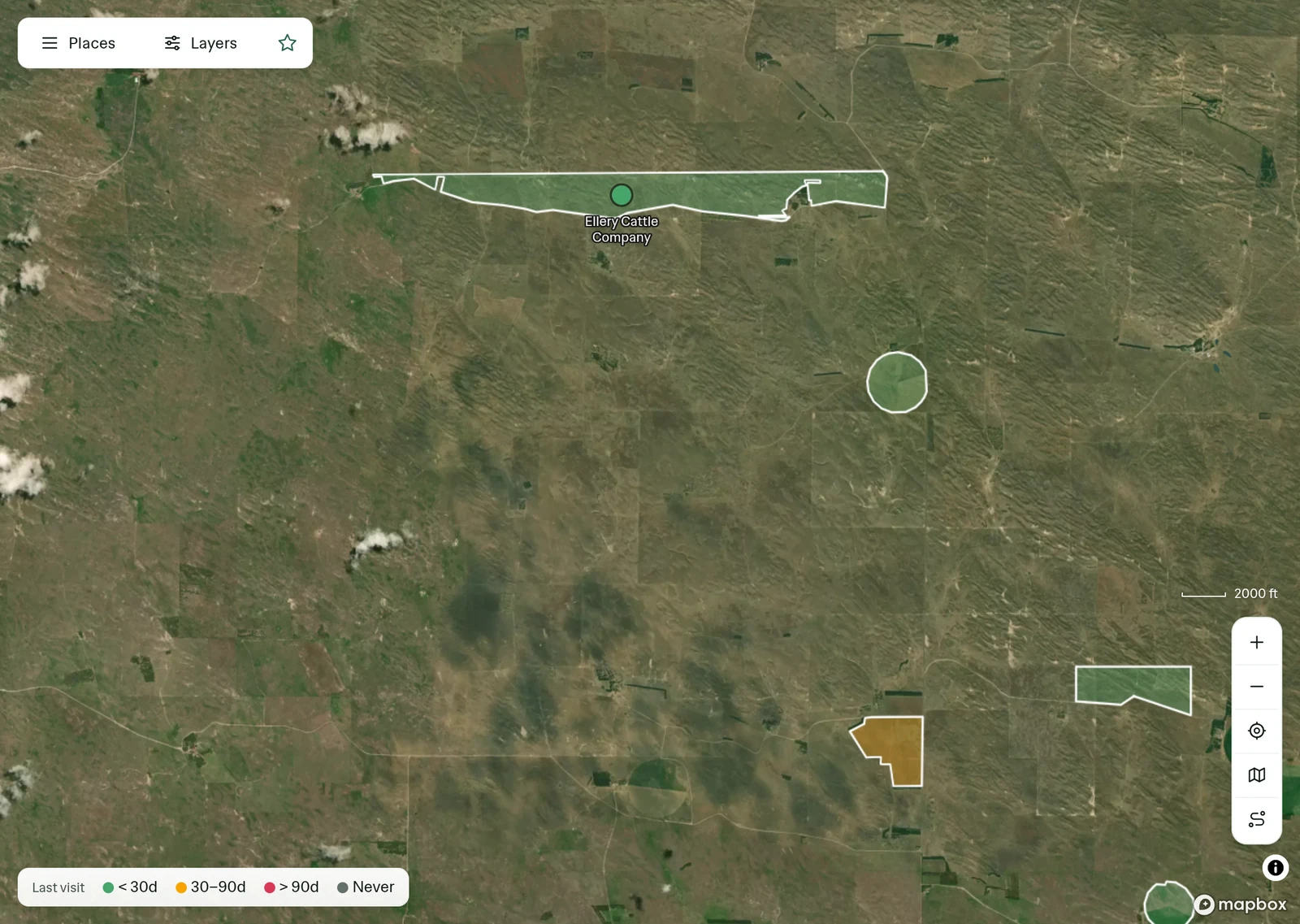
Bluestem Range Consulting on the Map: places outlined on satellite and colored by last visit.
Example account: Bluestem Range Consulting. Ellery Cattle Company outlined on satellite and colored by last visit.

Beef cattle places and hierarchy

Ranch: Hackberry Ranch → Pasture: North summer pasture

Saved places for North summer pasture.
The pastures in Bluestem Range Consulting, with each last visit and report status.

Beef cattle signed report excerpt

Signed Range and herd report findings for North summer pasture.
Example account: Bluestem Range Consulting. The signed range and herd report for North summer pasture, sent and acknowledged by the contact.

On pasture: forage, water, fence, cattle

Forage
Describe where the grass is grazed short and where feed remains. Keep the estimate and its method with the pasture visit.
Water and fence
Check the trough, water supply, gates and fence. Photograph a problem and assign the follow-up to a person.
Cattle
Name the group and record condition by area or pen. Repeat photos from the same gate, tank or fence corner to compare visits.

The USDA NRCS Guide to Pasture Condition Scoring gives you a consistent set of indicators for comparing walks through the season.

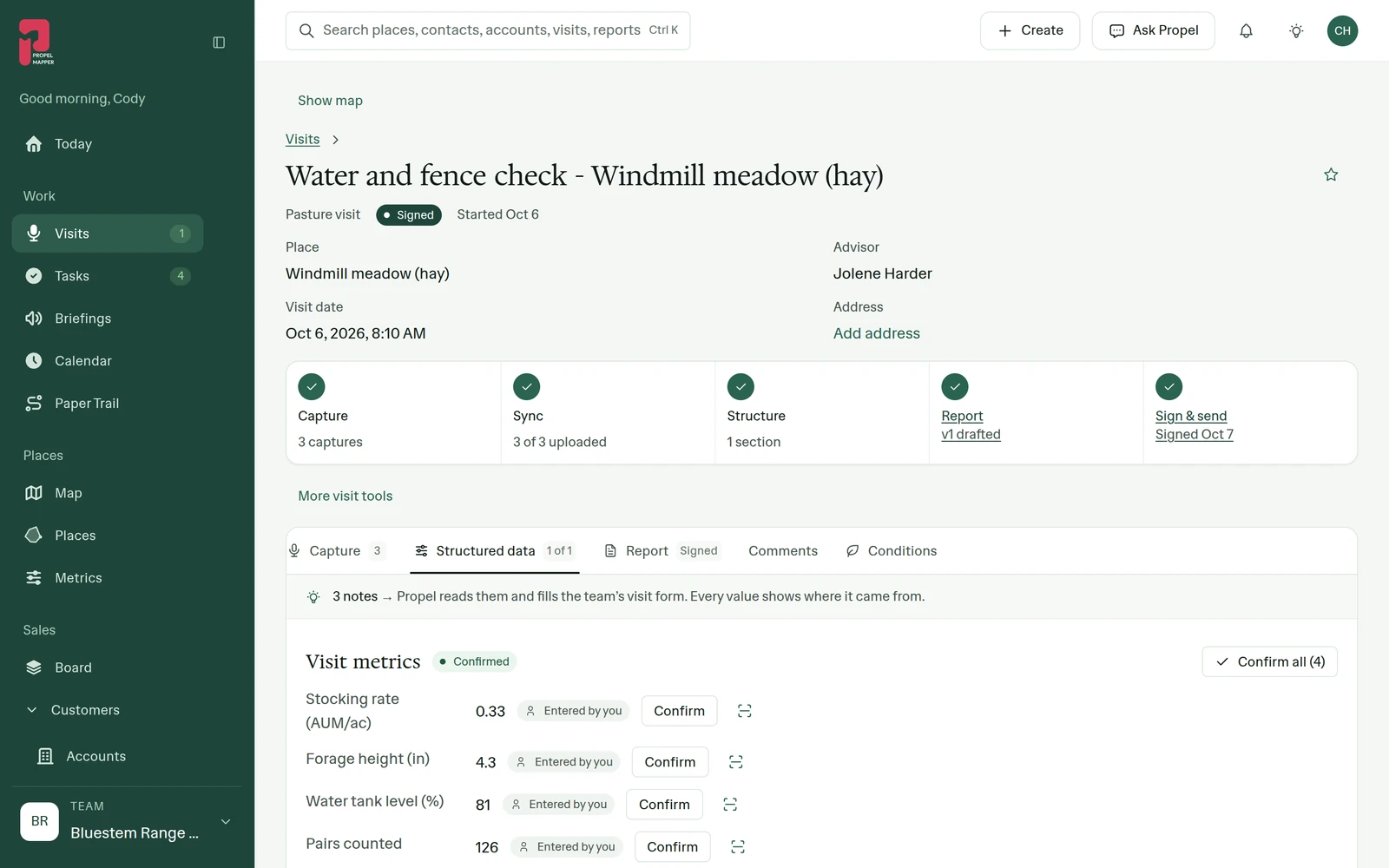
Example water and fence check with stocking rate, forage height, water tank level and pairs counted

Example account: Bluestem Range Consulting

Stocking rate and days of grazing

Stocking comes down to forage on hand, how much of it the cattle can actually use, and how much they eat. South Dakota State University Extension works from 26 pounds of dry forage per animal unit per day, an animal unit being roughly a 1,000-pound cow, and about 25% harvest efficiency for moderate continuous grazing. The rest is trampled, fouled, left as residue or eaten by something else.

Run the arithmetic for one pasture: 80 acres carrying about 2,000 pounds of dry forage an acre is 160,000 pounds. At 25% harvest efficiency, 40,000 pounds are usable. Forty 1,300-pound cows eat about 1,350 pounds a day between them, so the pasture lasts about thirty days. Our stocking rate calculator does the same sum and lets you change each assumption.

Write the clipping or visual estimate into the same visit as the stocking call. Then the number you give the owner has its working attached, and next year’s walk has something to compare against.


Body condition on a 1 to 9 scale

University of Missouri Extension scores beef body condition from 1, very thin, to 9, very fat. Its target for a mature cow just before calving is a 6, and young cows need about one score more to rebreed as well. That puts first-calf heifers going into calving at around a 7.

Score by group and by timing: the spring-calving cows a couple of months before calving, the first-calf heifers separately, the bulls before breeding. Note how many you scored and the spread. "Cows mostly fives and sixes, eight thin heifers at four" tells the nutritionist where the supplement needs to go.

In the feedyard: bunk calls

In a feedyard the daily visit is the bunk call. SDSU Extension describes a 0 to 4 score: 0 is a clean bunk, 0.5 is scattered feed with most of the bottom showing, 1 is a thin even layer about a kernel deep, 2 is a quarter to half the feed left, 3 is more than half, and 4 is feed that has barely been touched. Its goal is a 0 most days, with a half on three or four days out of ten.

Read bunks at the same time each day and record the pen, the time, the score and the feed delivered. The trend in a pen over a week matters more than any one call, and that only works if the calls are in one place.

Show and sale cattle

Show cattle and replacement heifers for sale get a different kind of visit: weight, average daily gain, days to the show or sale, and the feeding plan. In our example account, a show steer weighed in at 1,186 pounds at the county fairgrounds, gaining 3.1 pounds a day with 34 days to the show. Weighed again at each visit, those three numbers are the whole conversation with the family that owns him.

What goes in the visit record

For a pasture walk: the pasture, the date, forage by area, the water, the fence, the cattle group and its condition, your stocking estimate and its working, and the follow-ups with a name on them. For a pen check: the pen, the time, the bunk score, the cattle and anything pulled. For both: photos from the same spots each time.

In PropelMapper you say most of it as you walk, and each note drops a pin where you stood. The readings land in the visit form for you to confirm, broken fence and a sticking float become tasks, and the report is drafted after upload for you to read and sign. We don’t keep individual animal records or tag weights; your herd software or calving book still does.

Beef cattle visit questions

Can I draw pasture boundaries on the phone?

Yes. Walk the fence line or trace it on the satellite view, or import boundaries you already have in the web app. Notes then land in the pasture you are standing in.

Will it work out of cell range?

Yes. Notes, photos and readings save on the phone and upload when you get back to signal. The report is drafted after the upload.

A pasture walk record in your 45 free days

Draw one pasture in your 45 free days, walk it, and read the report before you send it to the owner. If you send a monthly grazing report today, we can set up that format with you on a call.

Talk to us

What do you write up after a visit?

Pick one and see the signed report PropelMapper drafts for it.